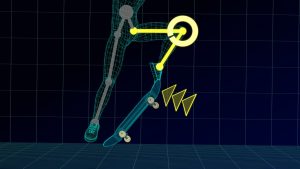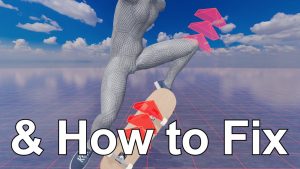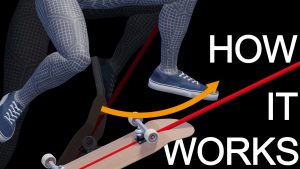
This time, I brought in a powerful guest, Wadalooping, from the Systema skate(wadalooping_skate). By comparing two different Kickflips, we'll scientifically analyze what must be done, what must be avoided, and what can vary depending on the preference.
The Flicking Motion Comparison
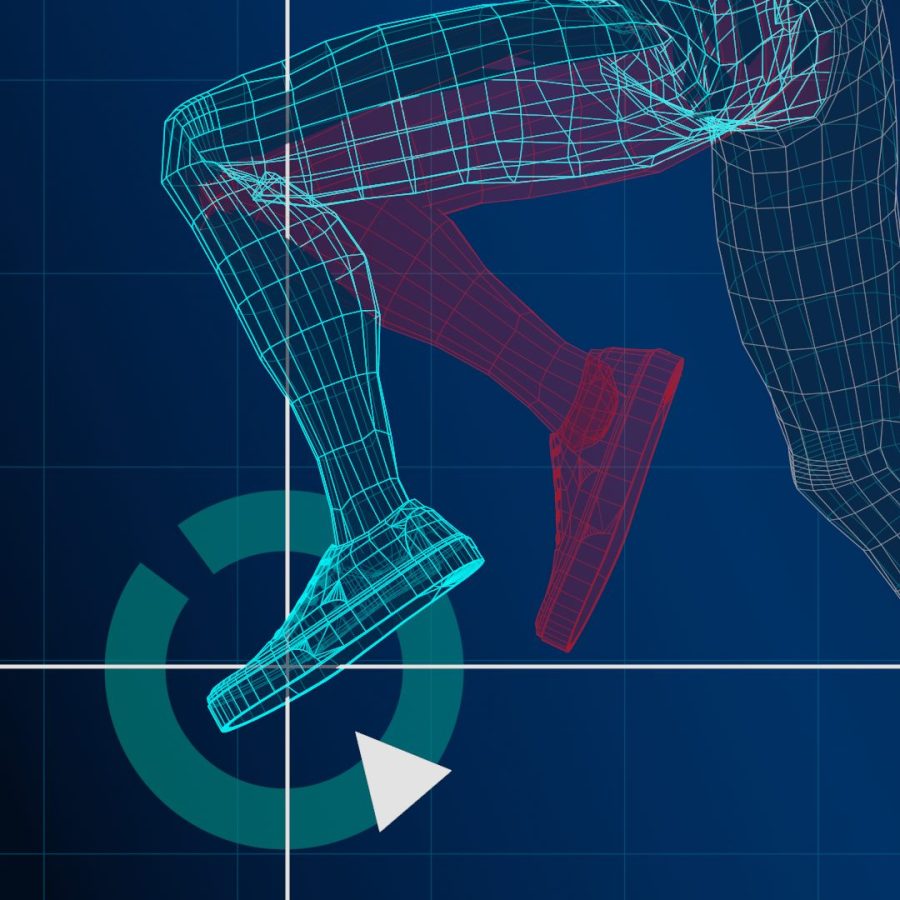
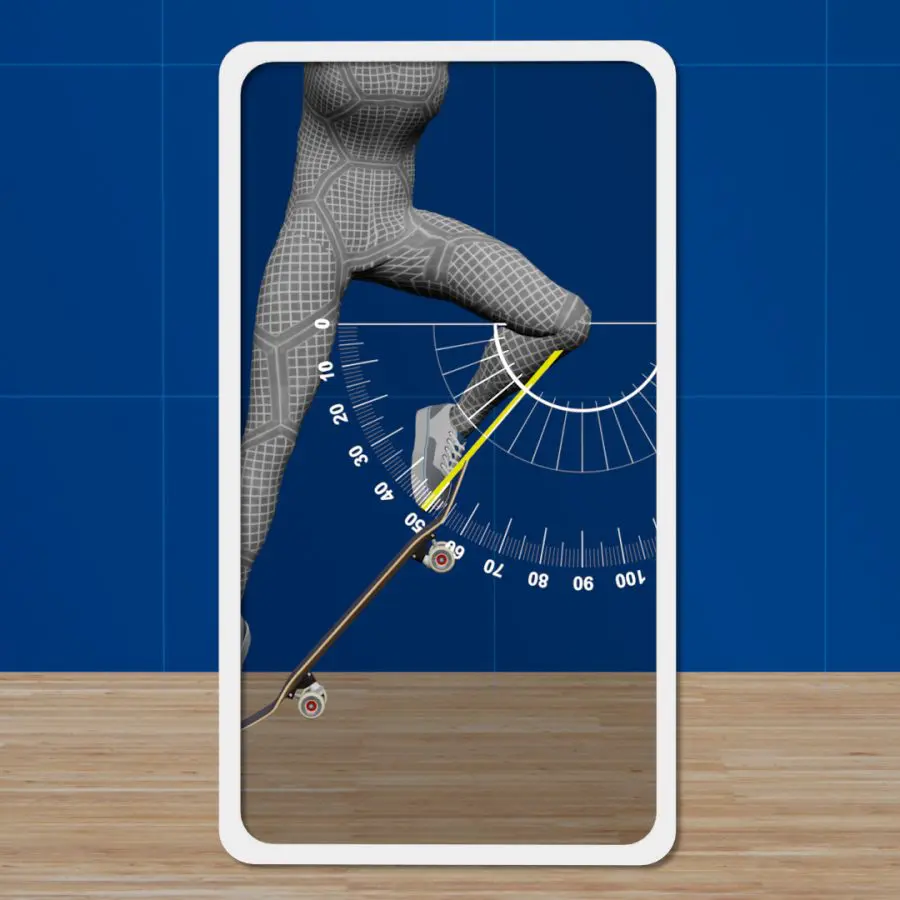
First, let's think about the flicking motion, and compare how each of us uses our feet. In his case, you can see that he uses his ankle very flexibly, flipping the board with an extremely compact and fast ankle movement.
If you look at the angle, the flicking motion starts at around 50 degrees. As it starts moving, the tip of the front foot goes down, flicks the board, and it reaches around 100 degrees.
How about in my case? My knee lifts higher than his, and in my intention, I'm not trying to use my ankle. Instead, I try to swing out my lower leg just a little bit. Everything that happens after this point is just a result of inertia, including the upward flicking motion of the ankle.
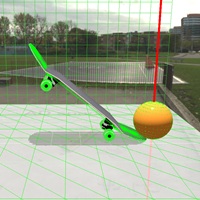
So, what do we have in common? It's the direction of the flicking force: Downward and Forward.
Now, a common mistake is flicking up. But flicking up never causes a rotational force. Imagine the board comes up like so, and you flick it vertically up. They would just go up together without causing a flip, right?
Flicking upward itself is NOT wrong, it's just missing a vital point. Imagine you'd do the same thing, but this time, you tilt your leg. The motion is the same, but the direction of the force you apply to the board changes.
Does it make sense? In both cases, the muscles you use are the same: the ones that are responsible for raising the toes. But by tilting the leg and rolling the ankle, the direction of the force changes. So, in that sense, you can even say flicking vertically upward IS wrong, but using the muscles to flick upwards is NOT.
A Common Misunderstanding About The Flick
A common misunderstanding is the idea that, because your front foot rises from the ground, you should flick upward. This is wrong. For example, if there's a skateboard floating in the air, and you want to flip it, then you would flick downward. But when you are in a rocket, seen from outside, the path of the flick goes up.
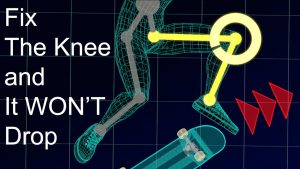
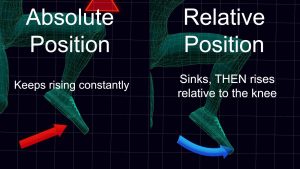
The same principle applies to kickflips. The force you should apply to the board is diagonally downward. And no matter how much you flick downward, as long as the knee is rising — or at least not dropping — your foot will not hit the ground first. Of course, kicking downward is wrong, but if you roll your ankle before flicking, you can flick downward as hard as you want without your foot touching the ground.
The Knee Angle Comparison
Let's compare our movements using a 3D model. In his case, the knee starts closed, and gradually opens toward the end of the flicking motion.
In my case, even at the beginning, my knee is already open quite a lot, and continues to do so toward the end.
This shows that what is a must universally is to have your knee opened by the moment you flick.But until then, whether you have your shoulders parallel to the board so that your front knee directs toward the toe side, or you have your shoulders open and direct your knee forward, is optional. Mine looks ugly, though.
What Happens If You Don't Open Your Front Knee
The open front knee angle allows the front foot to flick the side of the nose and causes the board to flip. Otherwise, the front foot ends up pushing the board forward.
While you know you should flick the nose toward the heel side, due to the structure of the human body, the knee CANNOT bend that way. So the only way that seems plausible to flip the board is to kick it down.
And what makes it even worse is the expression "Flick Upward." Because your front foot drops to the ground, you may raise your front foot even higher. But just like I explained, flicking upward itself does NOT cause a flip. And, worse still, before you know it, your front foot reaches a point where you can't raise it any higher, and there's no other option but to kick down. So, because you kick down, you try to flick up, but that is the real culprit that makes you kick down even more.
In order to break this bad cycle, forget flicking upward and open your knee and direct your flick this way.