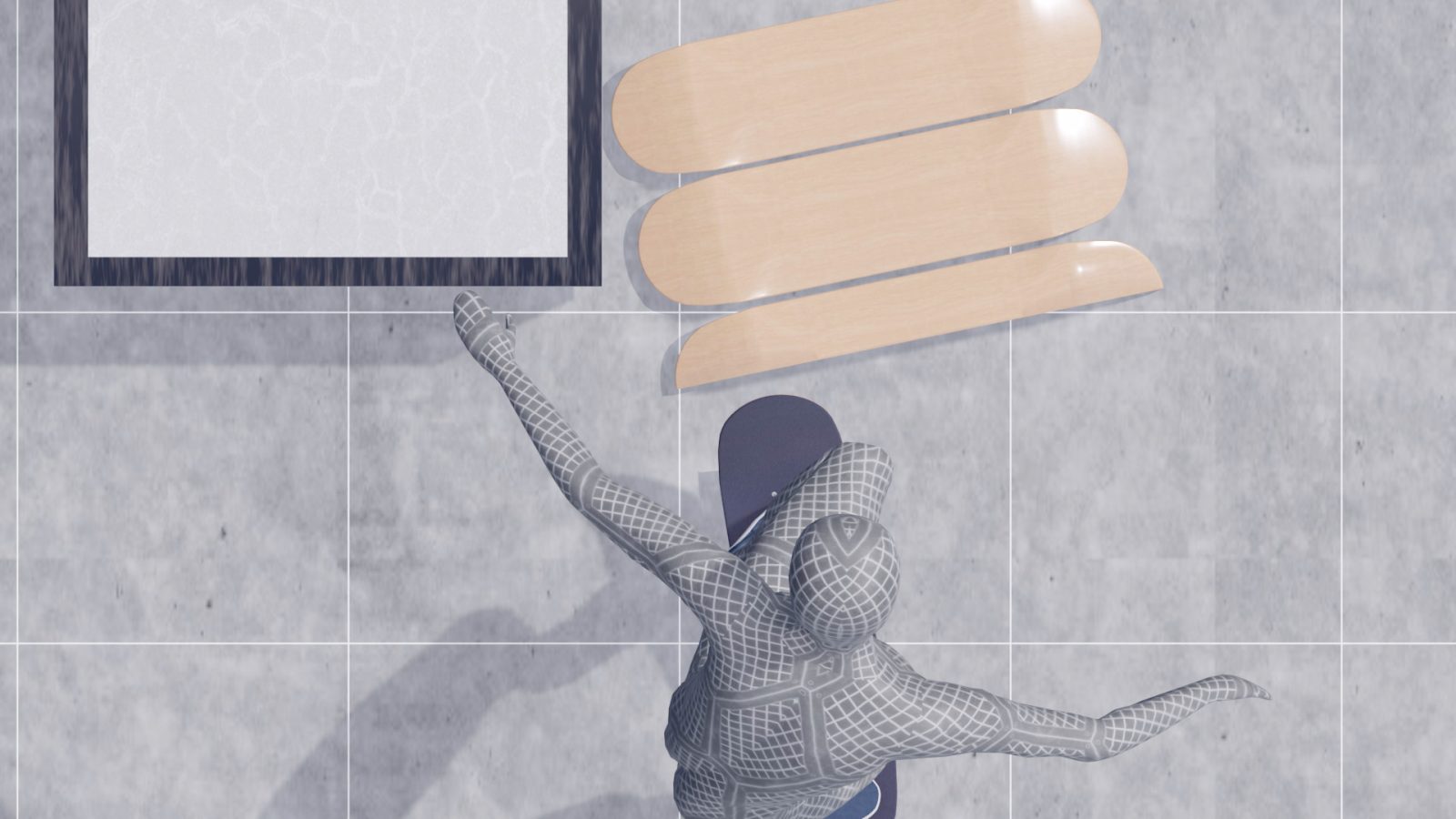
It seems like it's just a tiny difference of 5cm compared to a Noseslide, which you can lock in more easily. But when it comes to a Crooked Grind, all of a sudden, you lose it and can't lock in. It easily turns into a slanted Noseslide, or even if it does an instant lock, the wheel slips off right away. In fact, all of these problems come from one single cause: your body is too far away from an ideal position. There is a logical mechanism that causes this problem, and a way to avoid it. Since there are too many things to cover in this trick, like why you wind up coming out Fakie or nudging off the ledge, and landing Primo, in this article, we will focus only on the hardest part: the motion of locking in. Once you understand it, it becomes surprisingly easier.
Summary
Many problems are caused by your body weight being off the ledge
There are three factors that could cause it. Popping too early due to an illusion that the Nose might hit the ledge, having your weight too far back and pushing it away from the ledge, and not lifting the body weight.
The Nose will not hit the ledge even if you pop much closer to it
As you pop the tail, the nose comes up in an arc while moving in the opposite direction of the direction you are heading. Take this motion into account, otherwise, your body weight will stay away from the ledge.
Prerequisite: the conditions for the correct posture
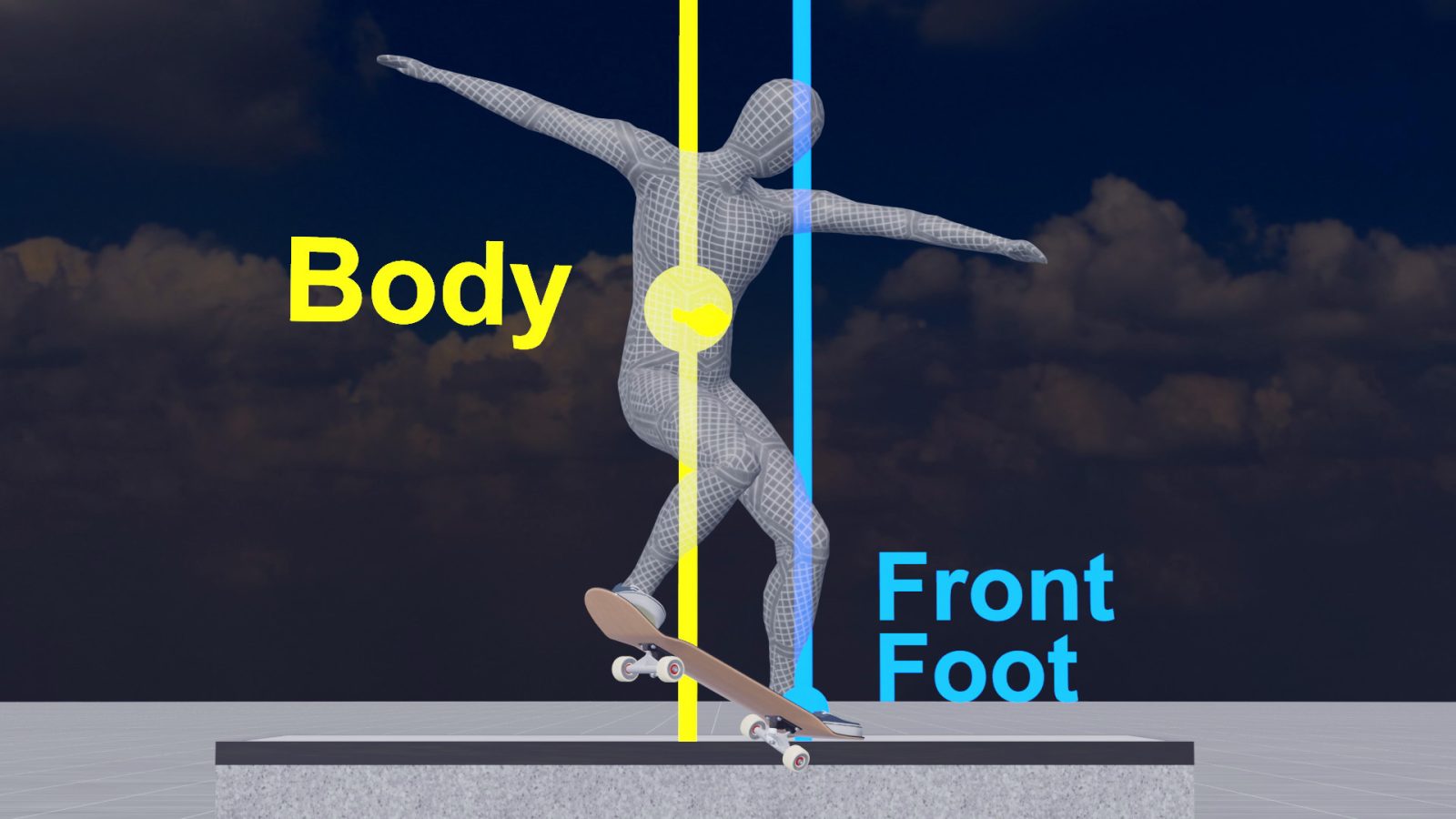
First, let's see the position of the body and board when locked in correctly. In most cases, although you'd approach the ledge almost parallel to it, you need to jump sideways to some extent. So, at the moment of locking in, your front foot aligns with the corner of the ledge, and the body stays inside. But as you grind longer, your body gradually leans over the edge, using your front foot as a pivot point. If you lock in like this, even if your body is pulled by gravity, the heel-side wheel naturally bites into the ledge and supports your body weight so that you won't slip off.
If you look at it from the side, the front foot is slightly ahead of the center of mass as it pushes the board forward against the friction of the ledge.
The fundamental source of problem
Problems start happening when the weight is off the ledge. For example, if you end up doing a slanted Noseslide, it is because you need to extend your front leg. Then, only the tiny part of the Nose can get on the ledge.
Even if you somehow manage to get the front truck on, the wheel slips off instantly for the same reason.
Just to be clear, the weight does not necessarily have to be fully on the ledge all the time. You might think you have to place your front foot directly below your center of gravity to support your body weight. But when your body has momentum, placing your front foot ahead of the direction of motion can still support your body weight. If you do so, your front foot acts as a pivot point, and your body weight tries to rise. Until that energy depletes, you can keep standing on one foot.
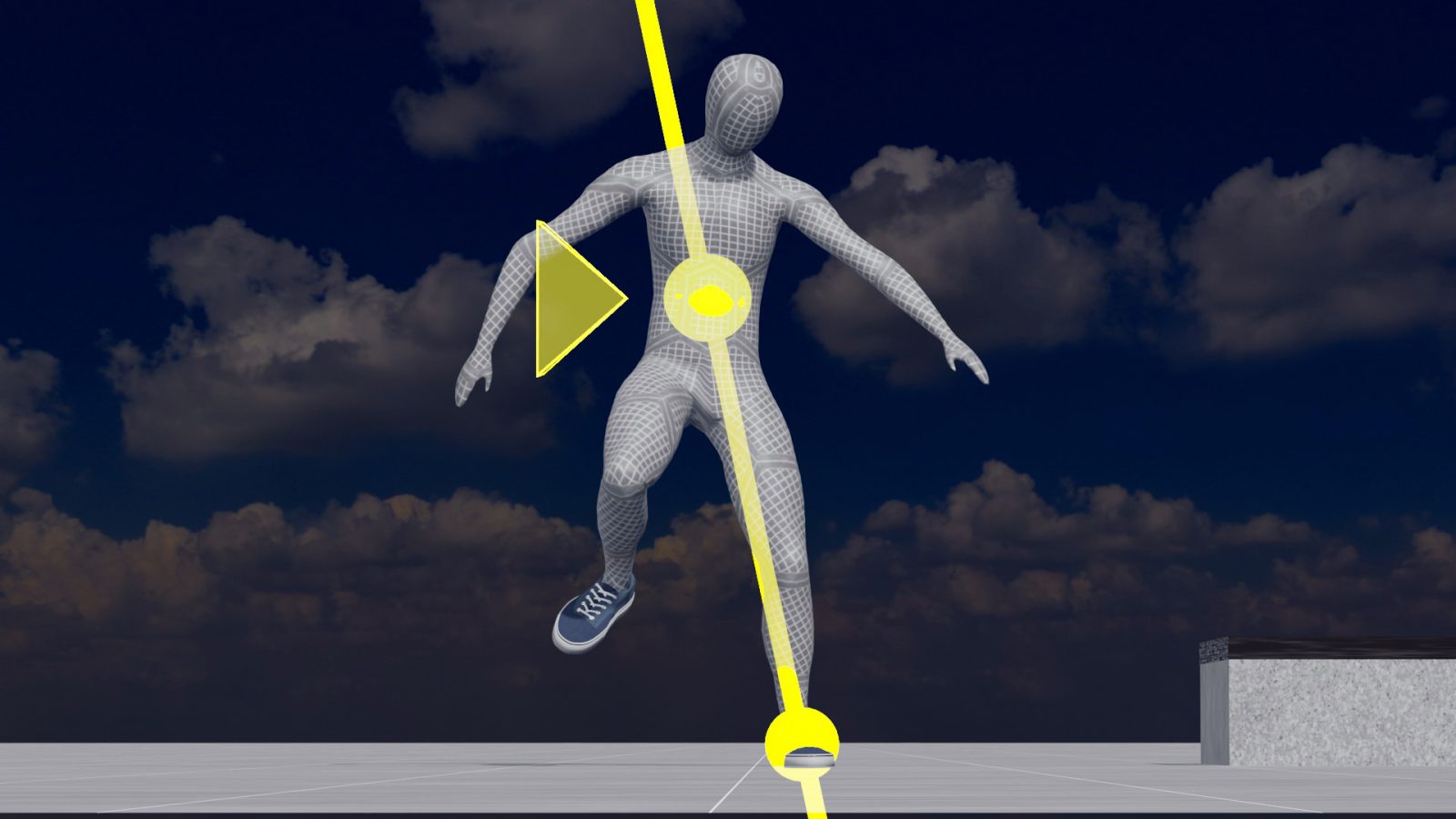
However, by placing your front foot too far, the body axis starts to tilt. Once this happens, there's nothing you can do but slip off the ledge instantly after touching it. Plus, poking your front foot out too far may cause you to overshoot your board. So, at first, it's better to find a way to keep your weight close to the ledge.
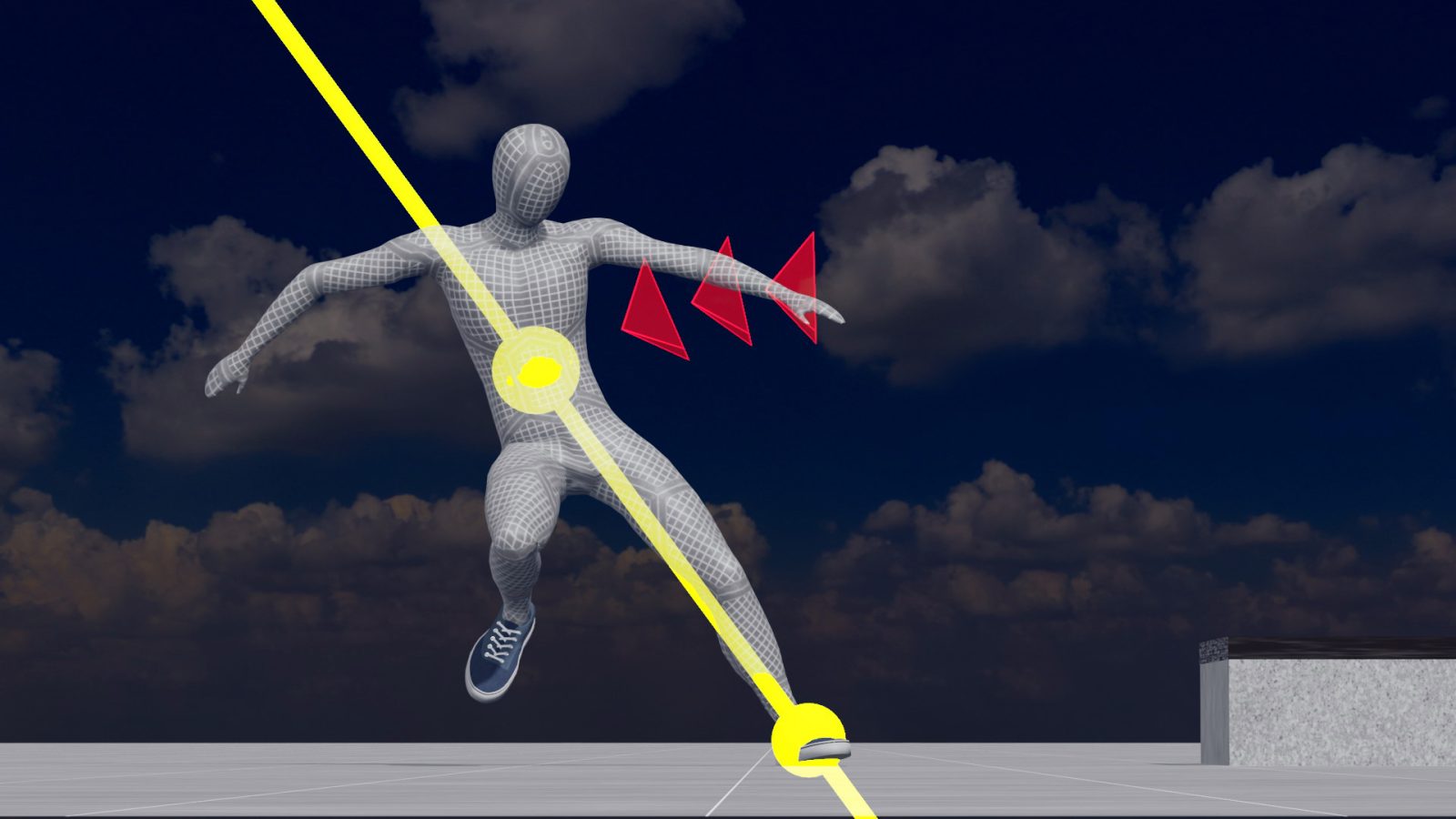
So, in the first place, why does the body get away from the ledge? There are three factors that may cause this problem. An optical illusion that makes you want to pop earlier, the wrong weight distribution that widens the distance between your body and the ledge, and the height of your center of mass. First, let's see what these factors do. Then we will discuss what we should do about it.
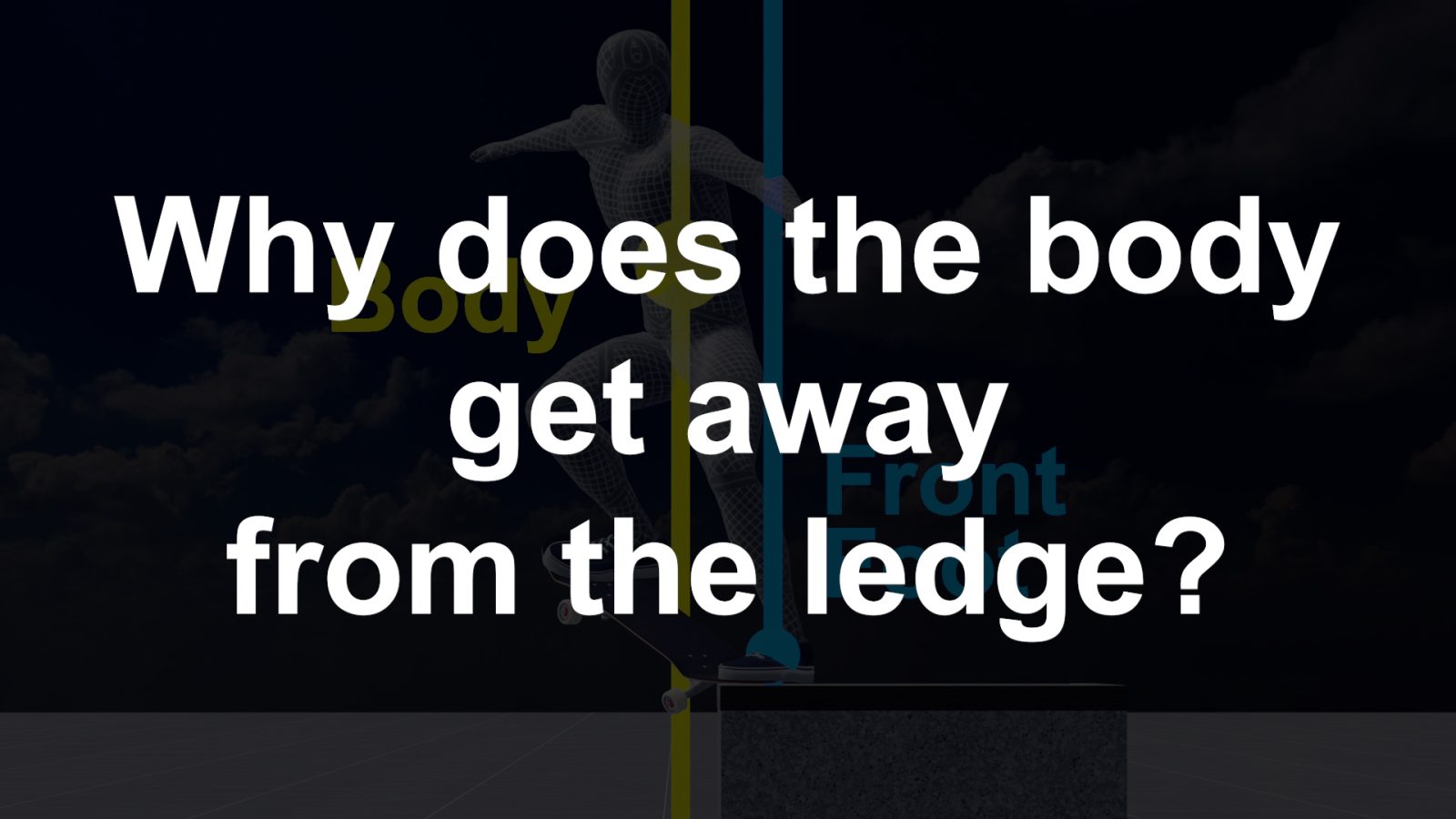
Factor 1 - An optical illusion
First of all, you need to take the gap between the tip of the Nose and the ledge into account when locking in. This gap widens further due to an optical illusion.
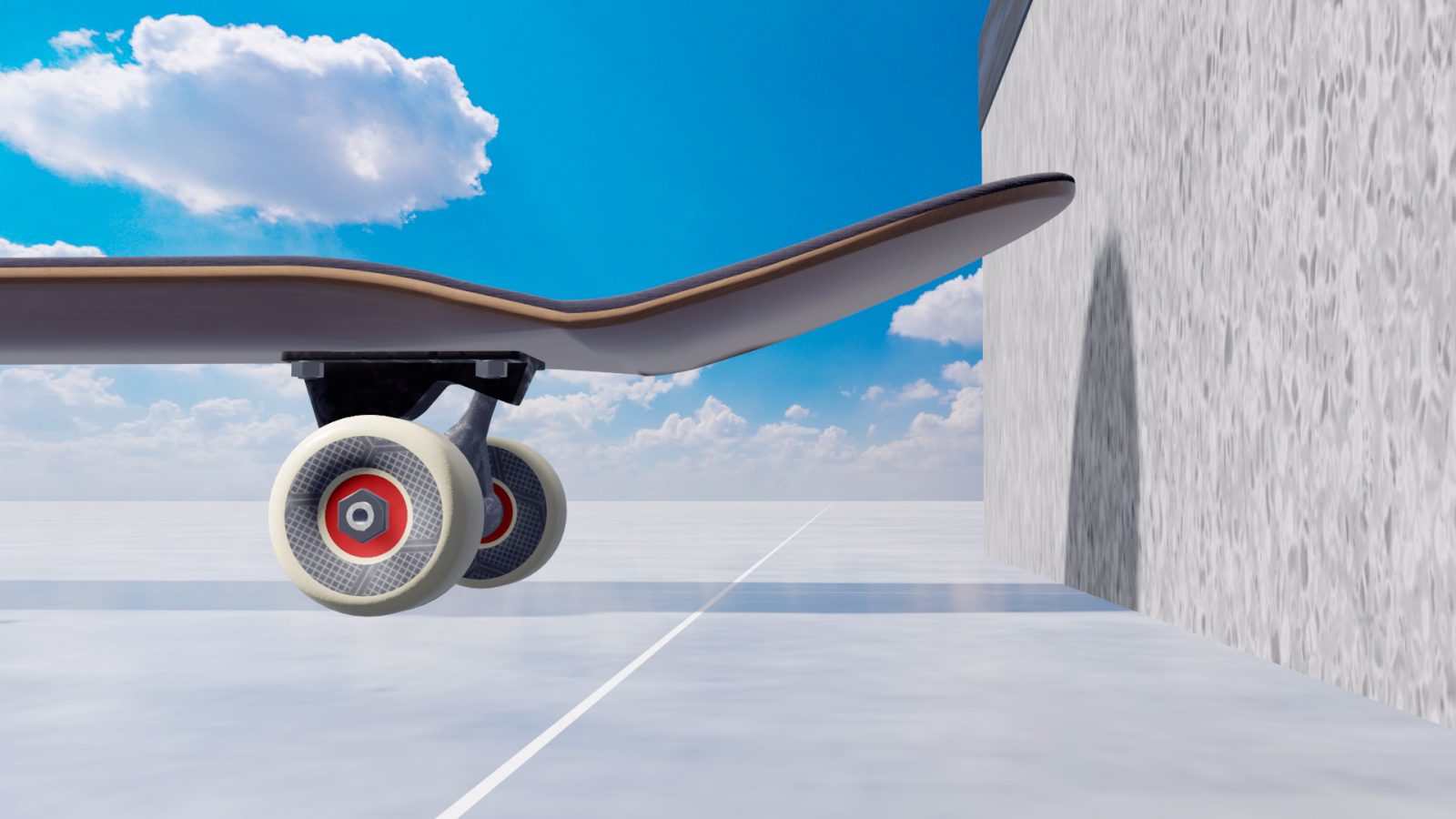
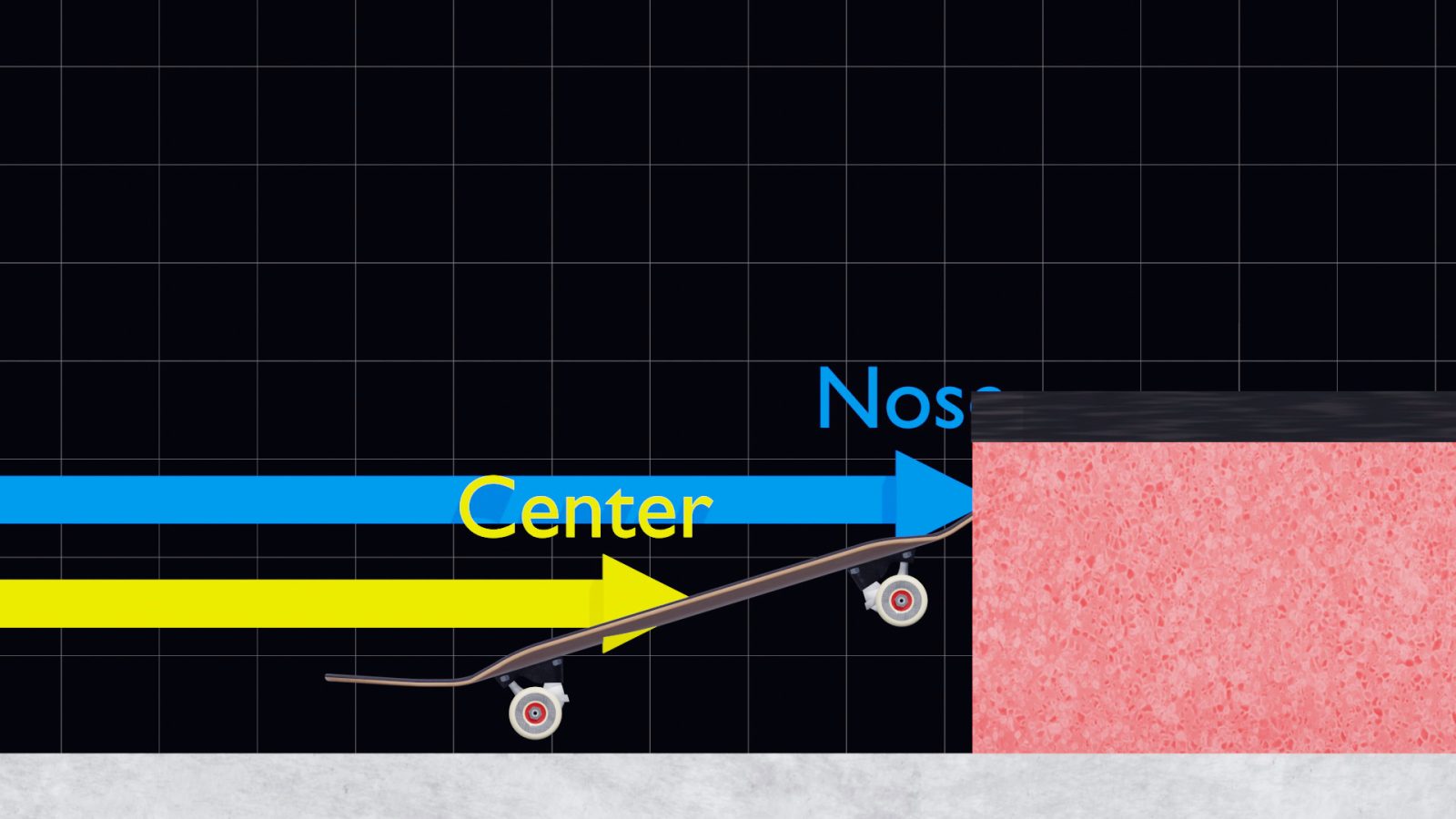
Your body, like any other object, moves according to inertia. Once it starts moving, it tries to continue moving in the same direction at the same speed. Well, in reality, there are a lot of factors that slow you down, like air resistance and friction with the ground, but to simplify it, we assume you keep moving at a constant speed during the approach.
Inertia also acts on the board, and it tries to keep moving at the same speed. The board's center of mass moves at a constant speed, and so does the Nose. If the board keeps moving at the same speed, it seems like it would bump into the ledge. But as soon as you pop, the horizontal movement of the Nose slows down and lifts without hitting the ledge.
When you pop, the Nose comes back in an arc as if it gets away from the ledge.
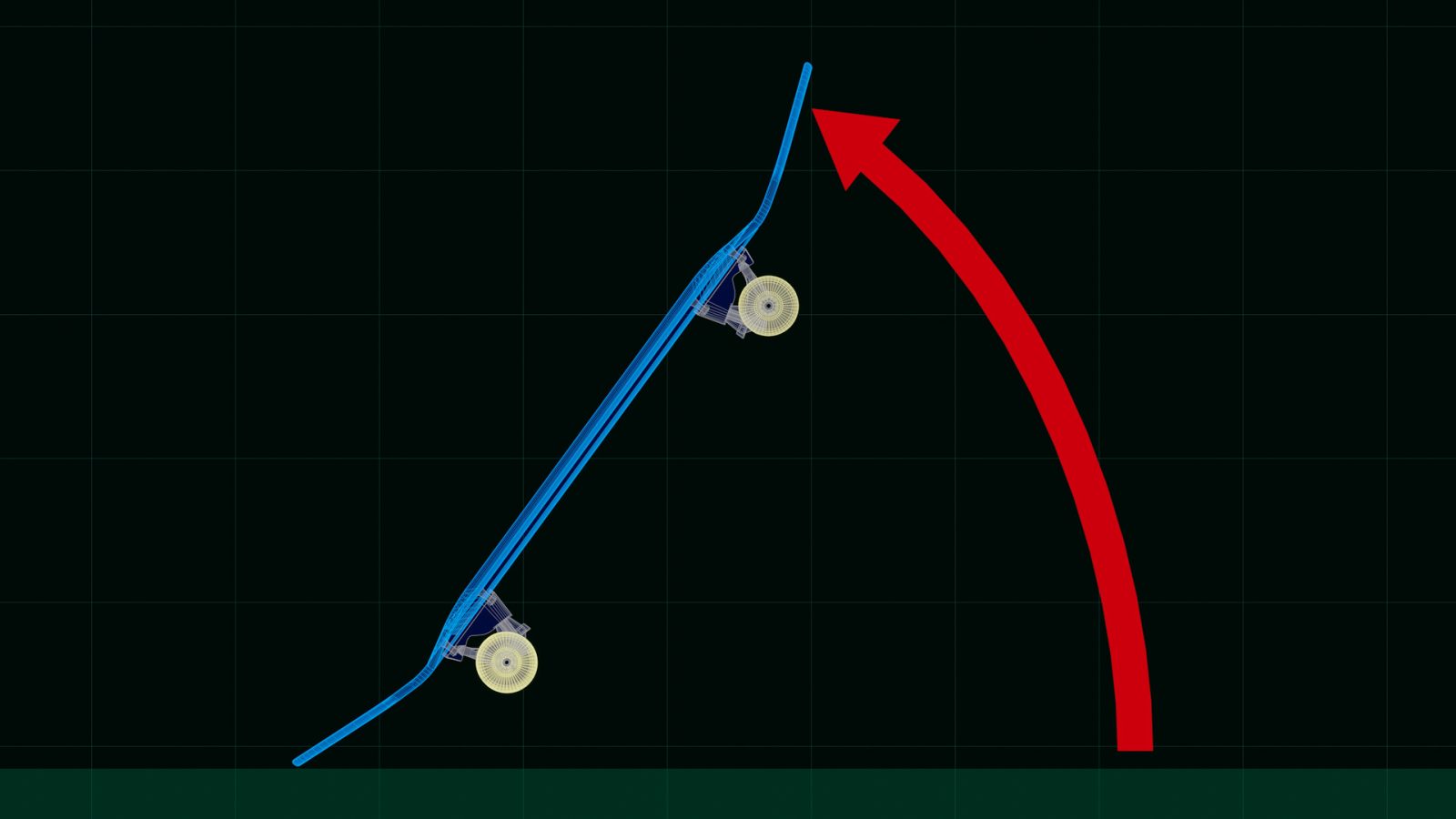
As you approach the ledge, the centers of mass of your board and body keep moving forward. But the Nose, on the contrary, moves in the opposite direction, widening the distance between the ledge. And by the time you try to lock in, you have gotten close enough to the ledge. Doing this lets you place your front foot close to your center of gravity and avoid extending your leg too far, which can eventually cause you to slip off the ledge.
Of course, if you approach faster than the speed of the Nose to come back, you will hit the ledge. But in general, you don't have to worry too much about it. We will calculate the actual approach speed later.
Factor 2 - The weight distribution
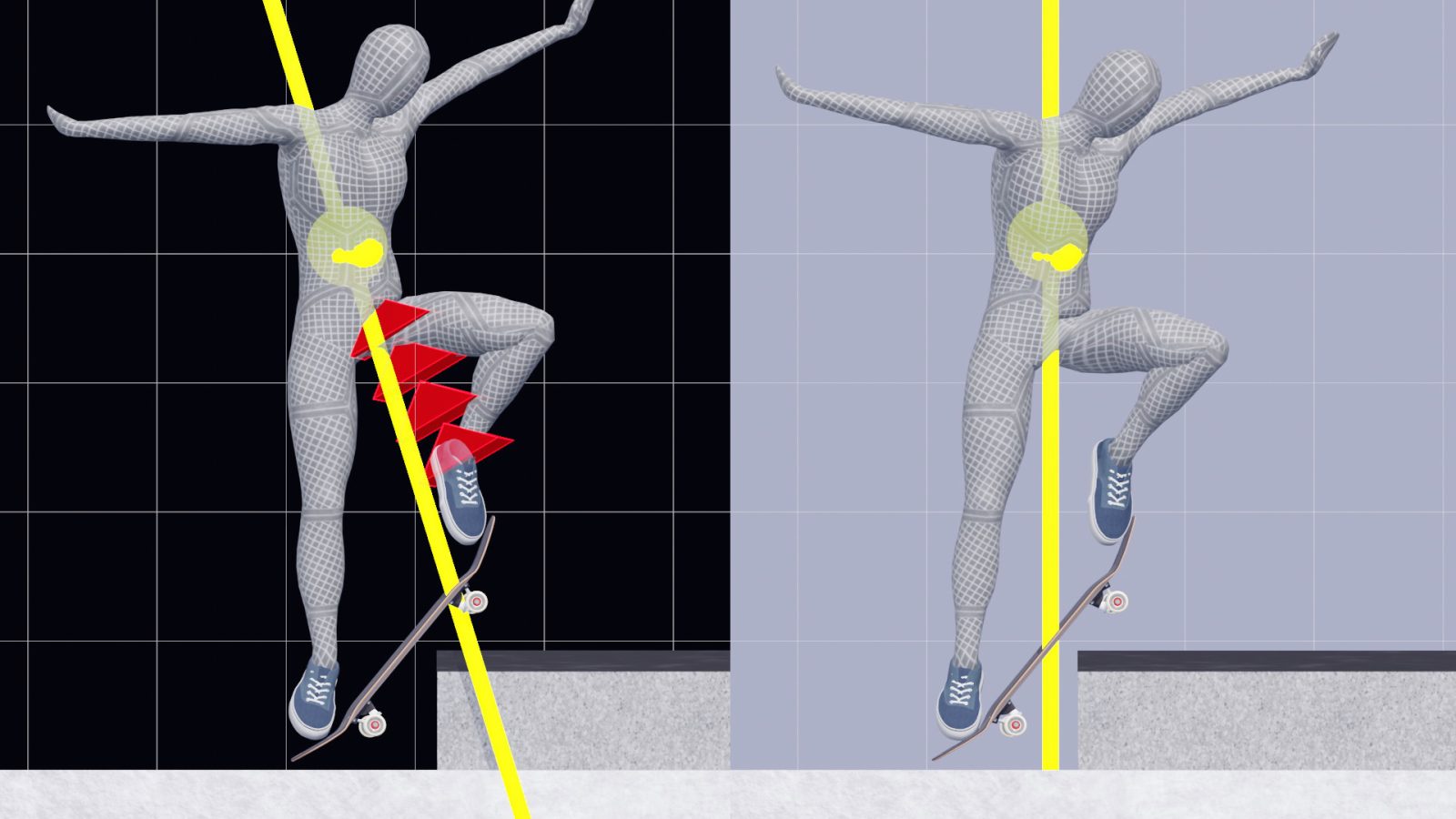
Even if you pop close, having too much of your weight on the back foot causes you to get away from the ledge again. If you do so, you will push the weight farther back from the ledge by pulling up your front foot. Then you will either shoot out your board or end up doing a Wheelie Grind. To prevent this, avoid leaning back and lift your weight vertically.
Factor 3 - The height of your center of mass
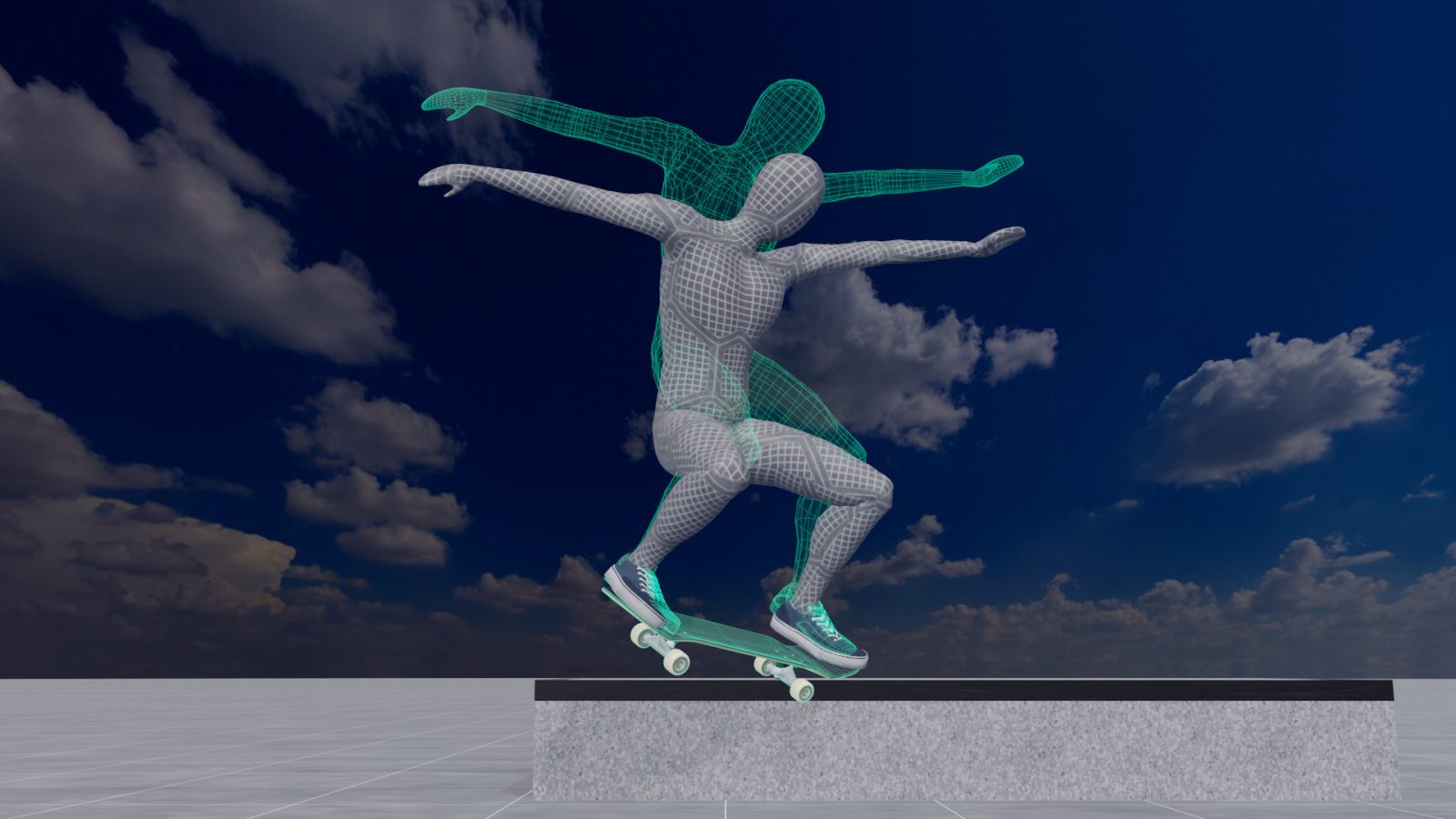
The last factor, the height of your center of mass, is a bit different from the previous factors. It can cause problems even when you appear to be close enough to the ledge when seen from the front. It is often said that you should avoid popping too high in a Crooked Grind. If you slam the board onto the ledge from too high, the board catches on the ledge, and you will launch yourself forward. It is true, and you should avoid popping too high. However, your center of mass still needs to be raised high enough above the ledge.
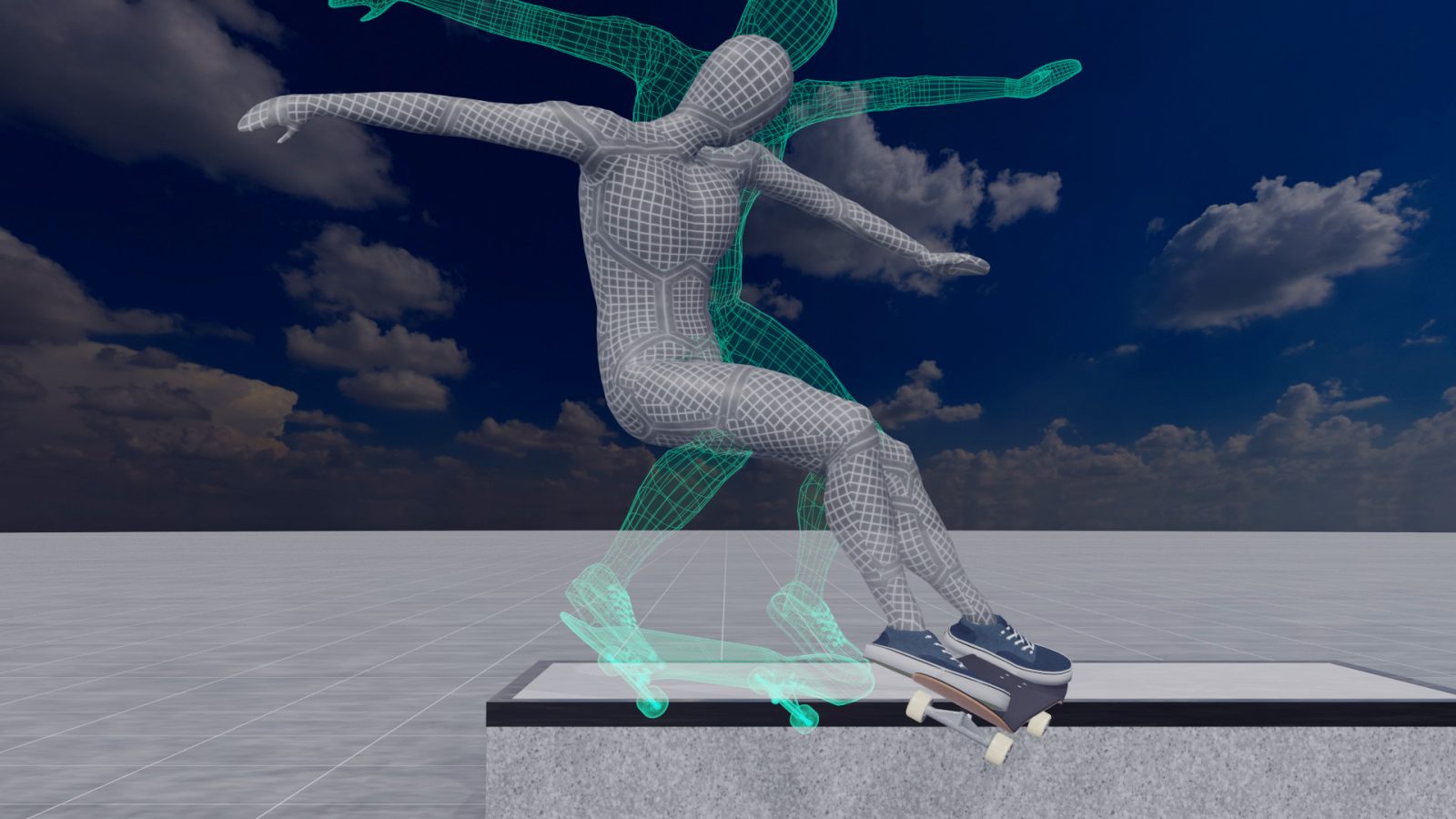
If you focus only on popping and try to place the board while your center of mass stays low, you will have to push your front foot far ahead. In this posture, as your weight is not on the wheel, you can't maintain the truck's compression, and the wheel slips off. You will also wind up leaning too far back, and you may end up shooting out your board.
Calculation of timing
If your approach speed is slower than the normal walking speed, pop at 1.5 decks away from the ledge.
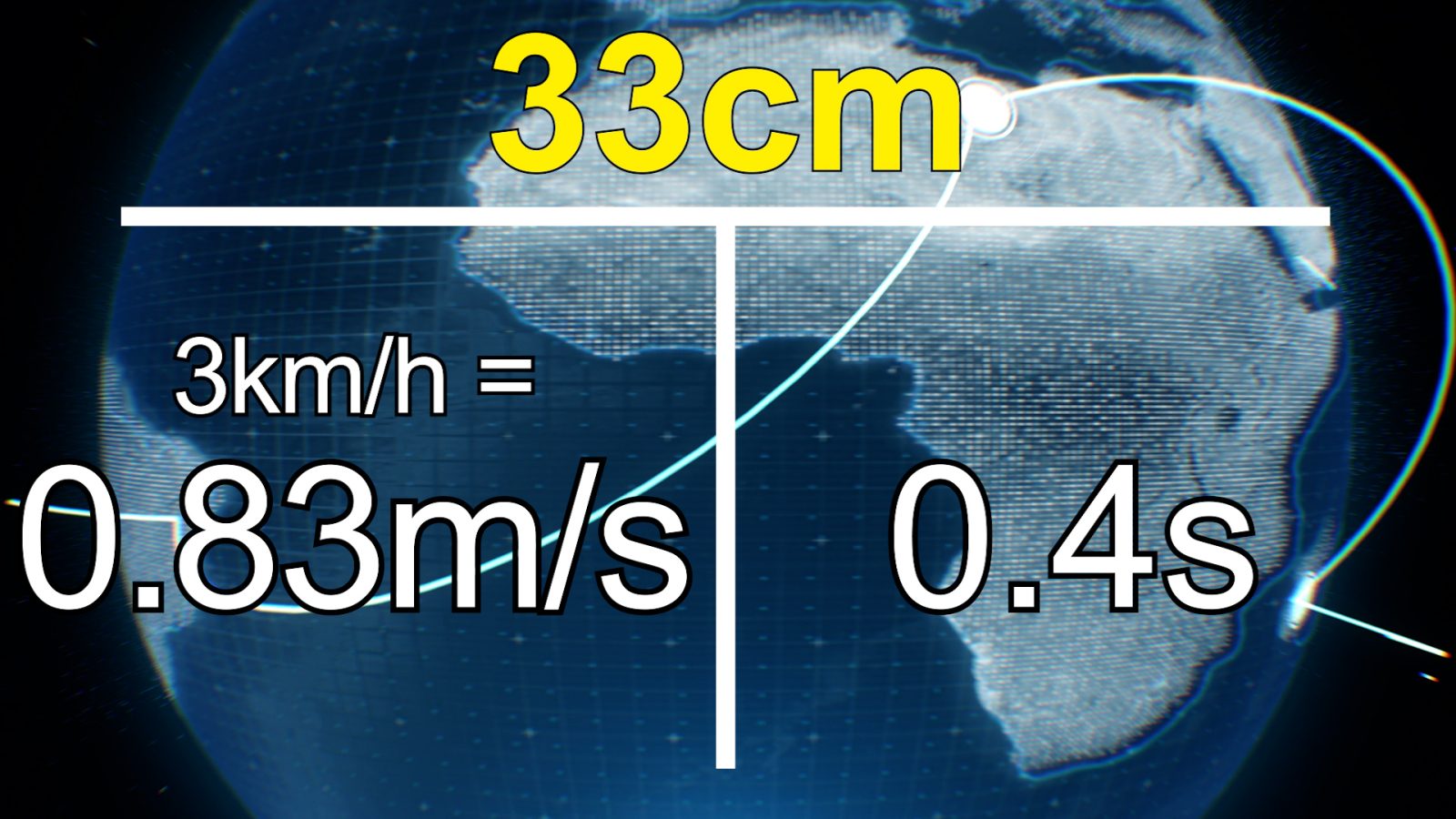
Distance is speed times time. Let's say your approach speed is 3 km/h, which is 0.83 m/s, around the same speed as when you are walking slowly. In this article, it takes 0.4 seconds from the moment the front wheels start to lift until the truck reaches the ledge. Multiplying these gives about 33 cm, which is about 1.5 decks wide.
If your approach speed is faster than the normal walking speed, pop at 2.5 decks away from the ledge.
If you approach faster at 5km/h (1.39 m/s), which is around the same speed as when you are walking fast, the distance you cover from the moment you pop until you lock in is 55 cm, 2.5 decks wide.