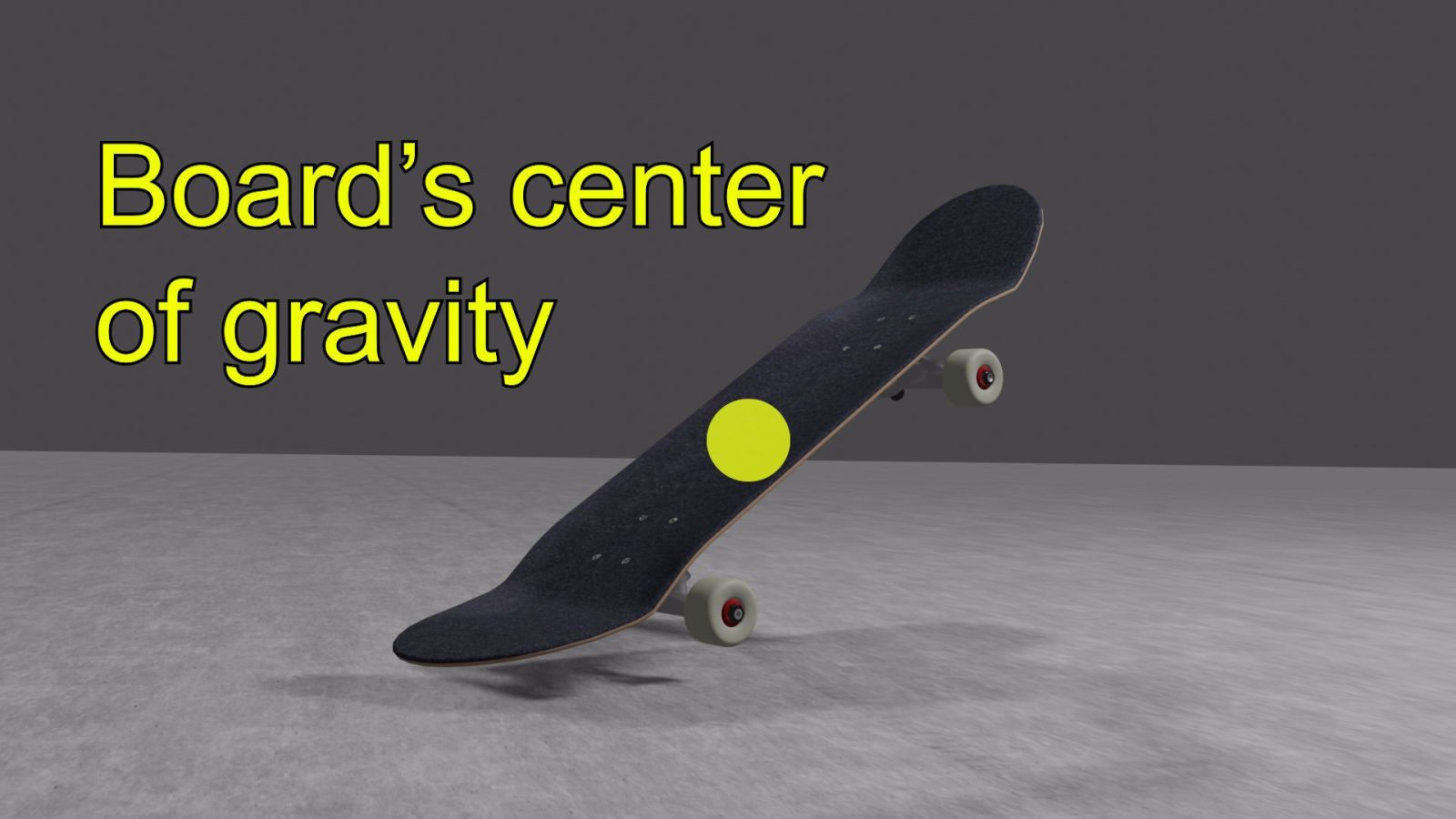
Spinning the board 360 degrees may sound simple, yet this trick is exceptionally challenging. In this article, we examine why the board tends to flip during a 360 pop shove-it and how to prevent it through a scientific approach.


Summary
Why does the board flip?
The board flips when the bushings rebound after being compressed on one side. The rebound itself is not strong enough to flip a stationary board. However, when this rebound coincides with the upward momentum of the entire board, even a small force becomes sufficient to induce a flip.
How to avoid flipping the board
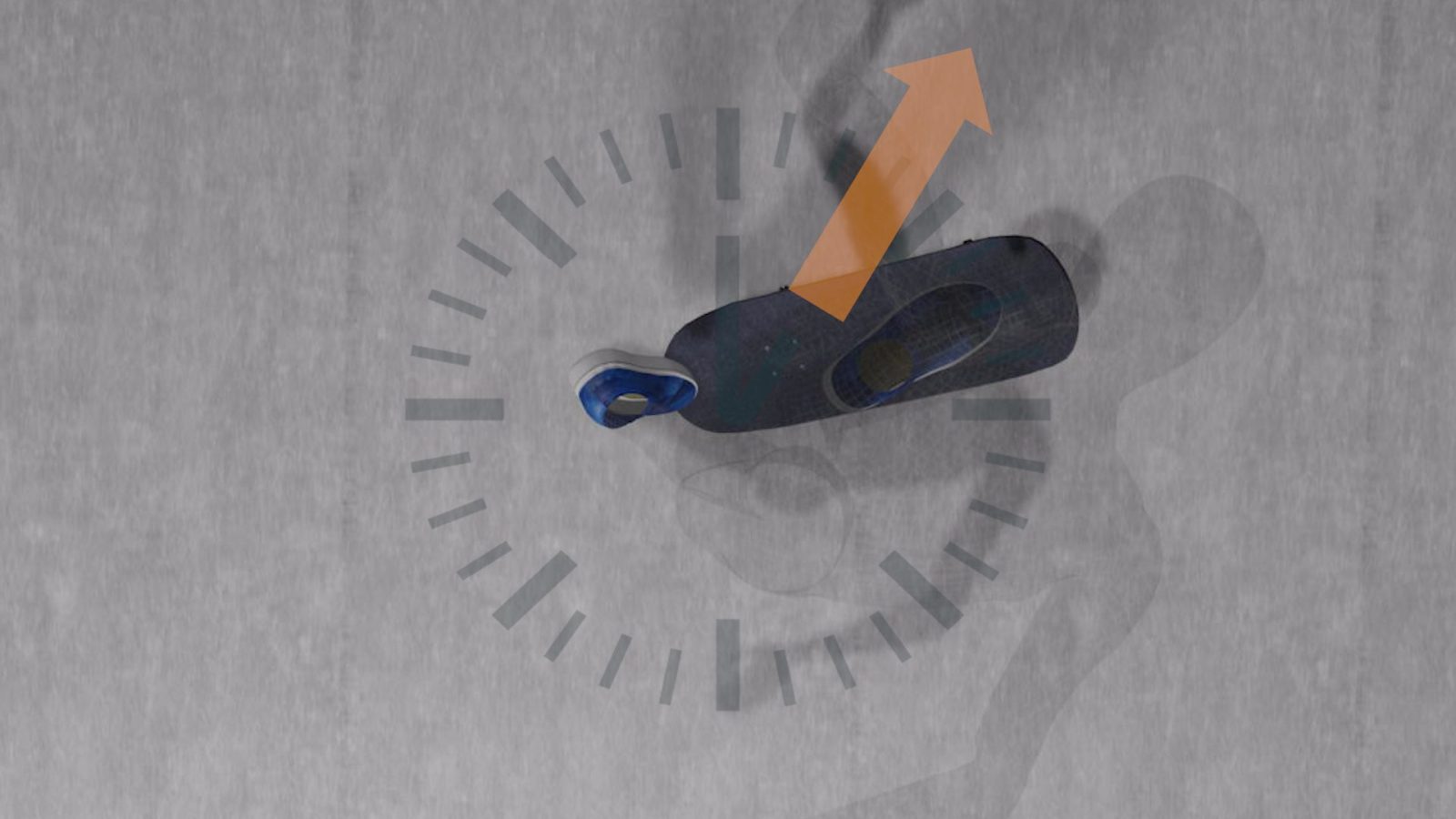
Place your back foot near the center of the tail and push toward your one o’clock direction. This approach prevents the rear truck from being pinched and ensures that the board receives the necessary downward energy for a stable pop.
Simulation
Select the icon to initiate the 3D simulation.












Breakdown of the problem
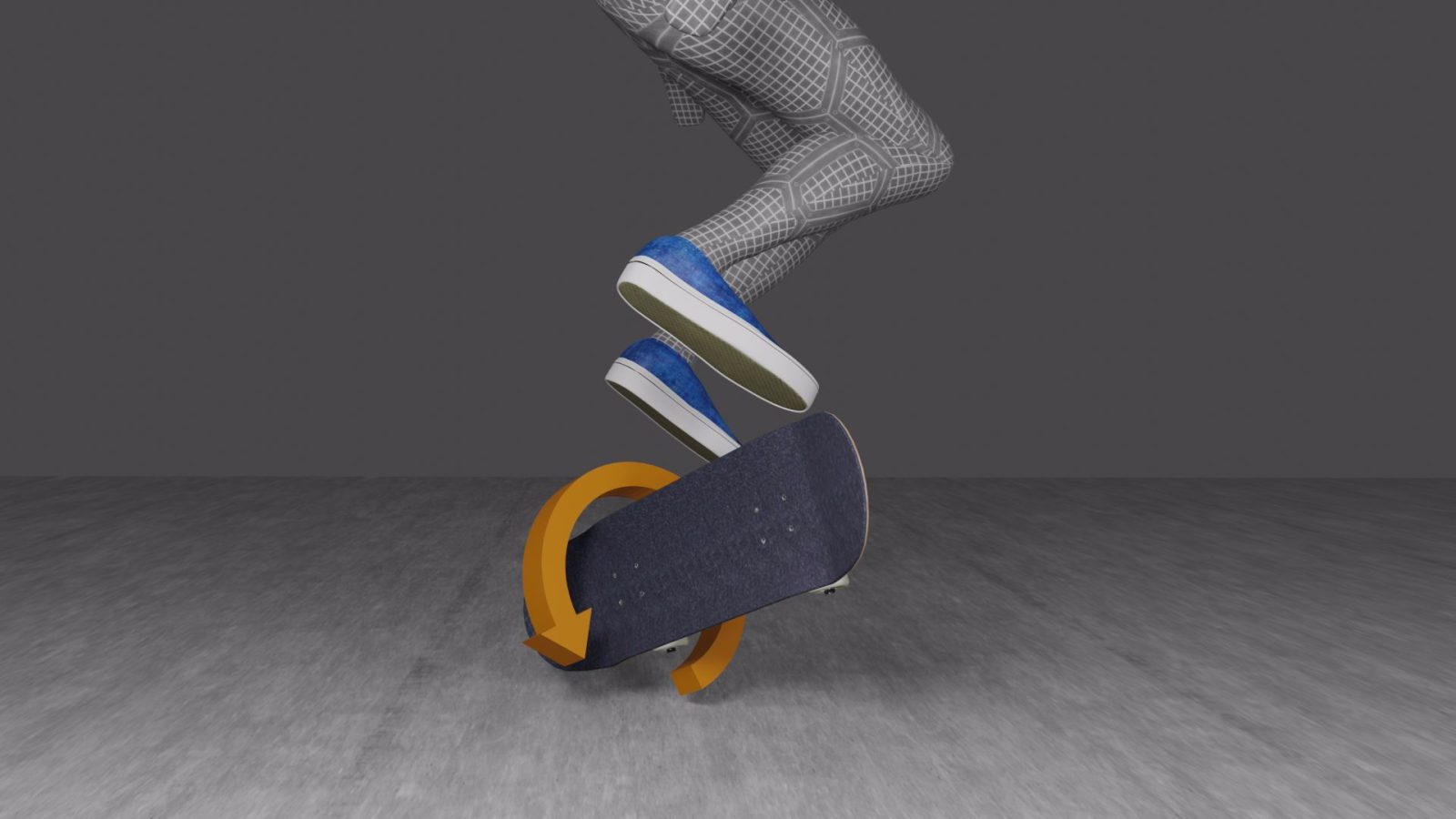
The board flips—but in which direction? Upon closer observation, it tends to flip in the Kickflip direction.
Analysis of the cause
What's causing this problem?
You may assume that the front foot produces a kickflip-like rotation. However, if you observe the movement carefully, the front foot has already left the board by the time it reaches the position where it could apply a flick.

Confirming that the front foot is not the cause
To verify this, I conducted an experiment using a board that lacks the component required to perform a kickflip. Even with this modified board, the same flipping issue occurred.
From this observation, the front foot is not the direct cause of the flip.

In fact, the force that causes the board to flip during a 360 pop shove-it is the same force that flips it during a Treflip: the rebound of the tail and the rear bushings.
As explained previously, when the tail is scooped during a Treflip, the bushings on the rear truck attempt to return to their neutral position and rebound upward, producing a flipping motion.
Is the bushings' rebound really strong enough?
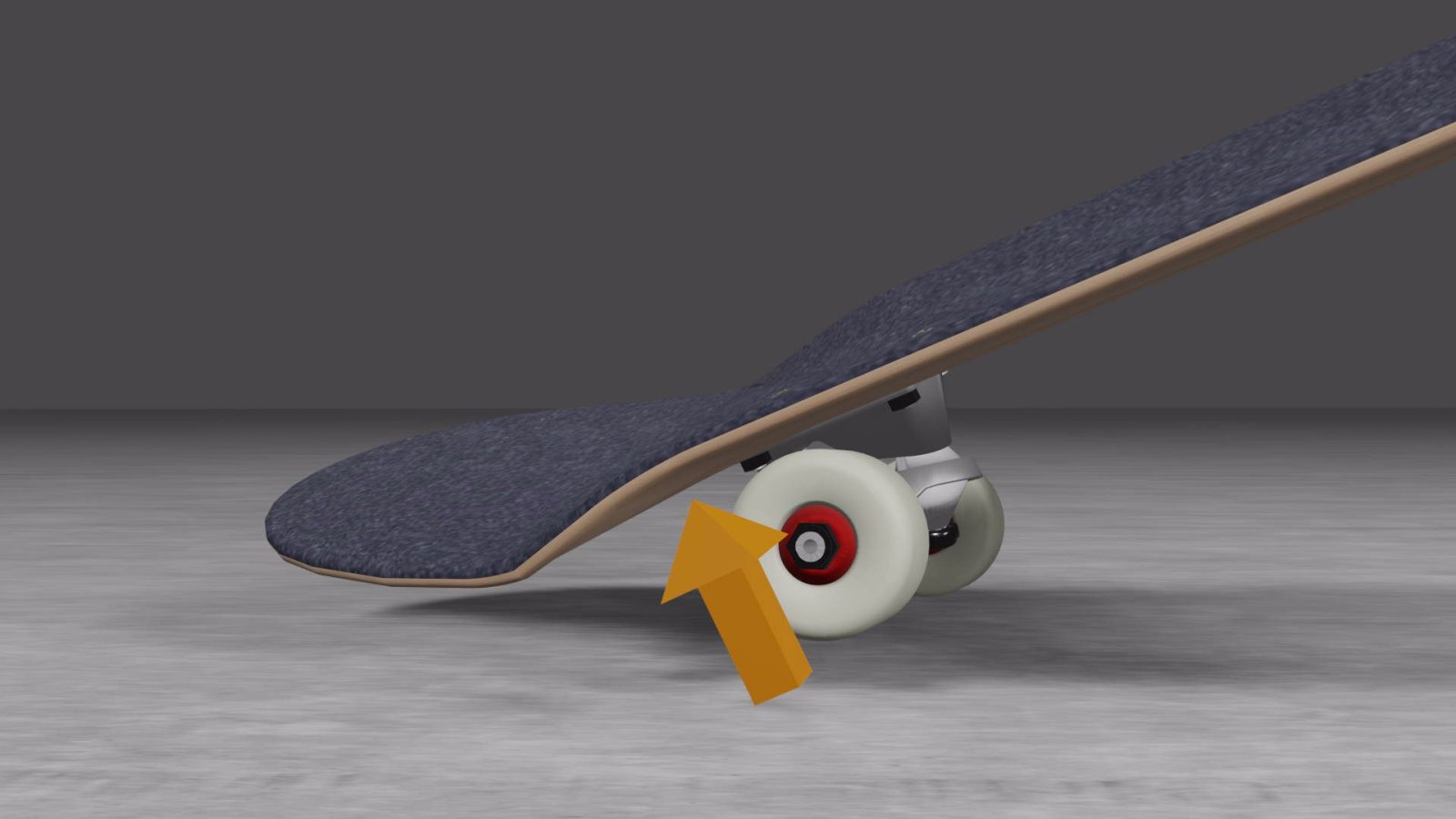
When I first mentioned this idea, someone pointed out that the rebound of the rear truck should not be strong enough to flip the board. They noted that the board does not flip when the tail is compressed while standing still.

The science behind the flipping effect
This comment is accurate, yet it overlooks a crucial concept.
When the tail is popped, the nose gains upward momentum, lifting the entire board. At that moment, the bushings rebound. This rebound lifts one side of the rear truck and produces a flip when combined with the overall upward motion of the board. The challenge is to prevent this mechanism from engaging during a 360 pop shove-it.

How to avoid the problem
Foot placement
I position my front foot near the middle of the board, close to my kickflip placement.
As mentioned earlier, the front foot is not a direct factor in causing the flip, so you may place it wherever feels stable for you.
The back foot, on the other hand, plays a crucial role. I place it either at the center of the tail or slightly toward the heel side.
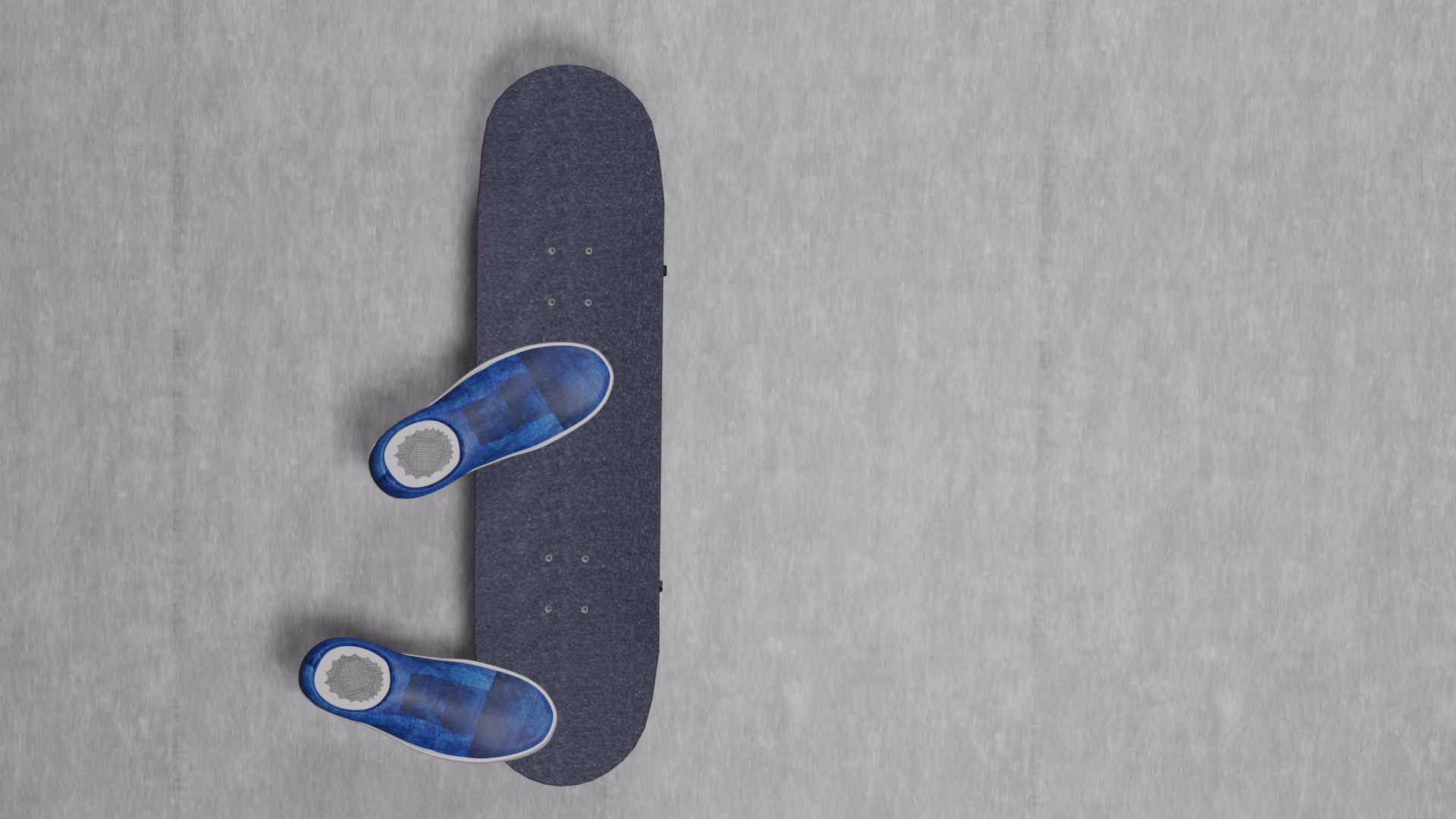
Direction of scoop
Once your feet are set, send the tail forward on a diagonal path while extending your body upward. For regular-footed skaters, the direction is roughly one o’clock.
To avoid this, you must prevent the rear truck from being squeezed and ensure that the tail is the very last part to touch the ground. Placing your back foot near the center of the tail and scooping toward one o’clock allows you to achieve this.
Downside of placing your back foot in the Treflip position #1
If you place your back foot with the toes hanging off the edge and pull toward the heel side—as in a Treflip setup—the toes will push the tail and drag it backward. This motion compresses the rear truck unintentionally, increasing the likelihood of a flip.
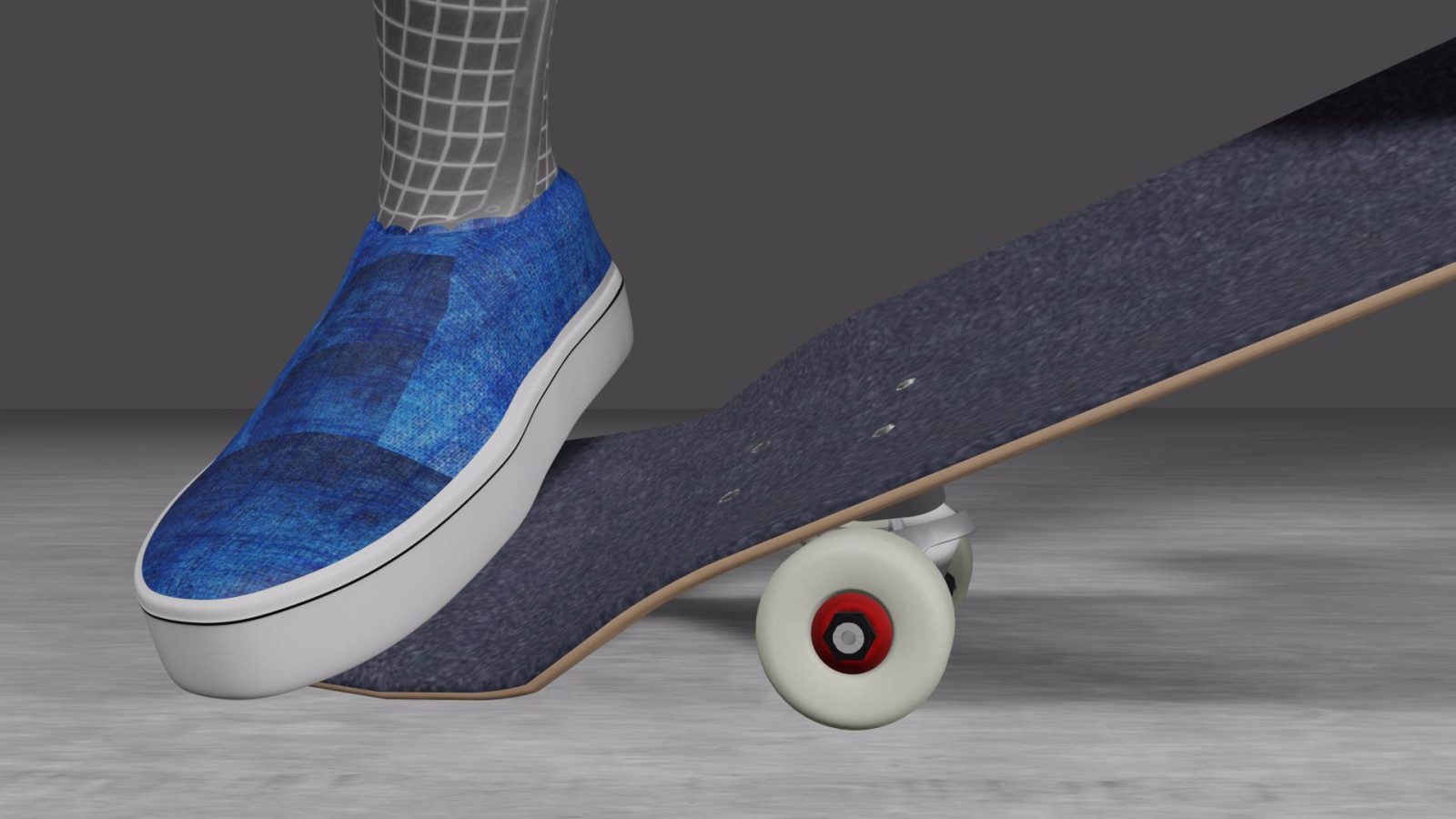
Downside of placing your back foot in the Treflip position #2
Furthermore, because you are popping the tail farther away from your center of gravity, much of your force becomes horizontal rather than vertical. As a result, the board cannot receive enough upward reaction from the ground, making it hard to gain enough air time.
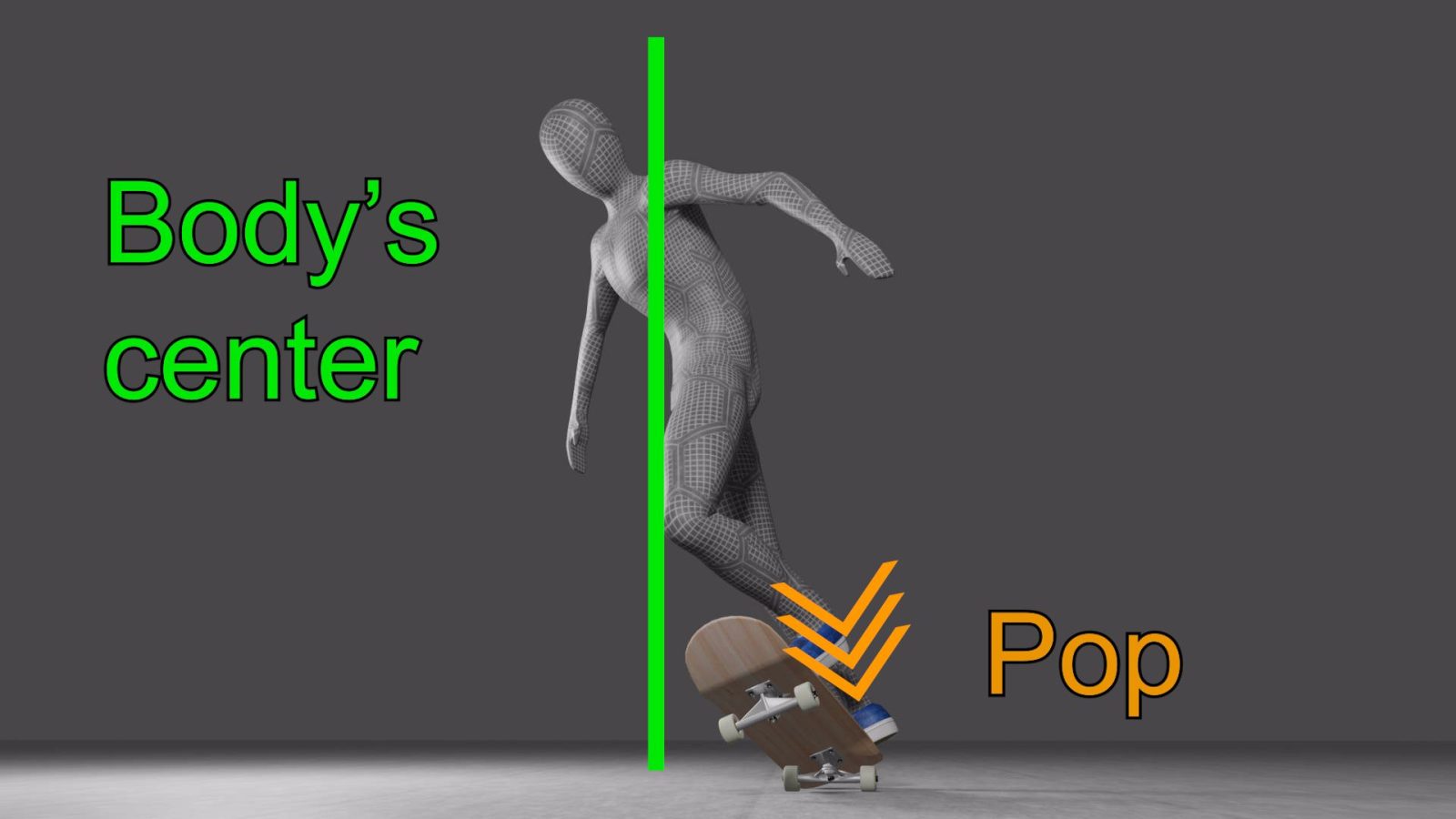
Benefit of sending the tail to one o'clock
By sending the tail toward one o’clock, the tail sinks straight toward the ground. This allows the board to engage firmly with the ground and receive sufficient reaction force to rise into the air. Moreover, the tail becomes the last part to make contact, leaving the rear bushings with no opportunity to rebound and cause a flip.